Monday, 29 February 2016

Why are women’s blouses more expensive to clean than men’s business shirts?


The reason cleaners charge more for women’s blouses than men’s business shirts is because they are passing along their increased cost of production to their customers. Depending on the cleaner’s equipment, it costs them between three and four times the labor expense to properly “finish” a women’s blouse compared to a men’s shirt. Here’s why…
The biggest production cost for a cleaner is their labor expense, the money they pay their employees. Most of their labor goes into the “finishing” of a garment. Finishing is a combination of machine pressing and hand ironing. Most garments require a combination of machine pressing and hand ironing to achieve the desired finish. Many cleaners have special “assembly line style” machines that can finish the typical men’s business shirts without any hand ironing. These machines greatly reduce the time and labor needed to finish a shirt compared to a women’s blouse which sometimes requires as much as 100% hand ironing to achieve the proper finish. Depending on their equipment and the skill of the presser, most cleaners can finish three to four men’s business shirts in the same time it takes to finish one women’s blouse.
You may be thinking, why not make similar machines for finishing women’s blouses? Well, I’m sure they would if they could. The problem is that women’s blouses come in an extremely wide variety and combination of different patterns, fabric types, trims and ornamentation. Plus, these variations can change dramatically from season to season with the latest changes in fashion. This prevents the machine manufacturers from developing presses that will fit the majority of women’s blouses. Where as men’s shirts have basically looked exactly the same for more than 100 years and they’re almost always made of 100% cotton or a cotton/poly blend. This stability in style has enabled the machine manufacturers to develop shirt presses that will fit the majority of men’s business shirts. The classic men’s business shirt is called a Pin Point Oxford and has the common features in the diagram below…
Here is an educational video on how to press shirts, courtesy of YouTube and produced by The DryCleaning & Laundry Institute. It shows these machines in operation and the proper way to use them. Sorry, I couldn’t find a video showing how to hand finish a women’s blouse, but it is very similar to the way you would do hand ironing at home.


Why can’t the dry cleaner remove every stain?


Unfortunately for everyone,  some stains are permanent. They simply become part of the fabric. Continued attempts to remove them will cause dye loss or fabric damage, known as chafing or fraying.
Many stains are removed by the dry cleaning machine and require no additional effort from the cleaner. A group of stains, called stubborn stains, require the attention of a stain removal specialist. The art of removing stains is called “spotting” and the person doing the stain removal is called the “spotter”. Spotting stubborn stains requires a high level of skill, knowledge and experience. The spotter is typically one of the highest paid employees in a dry cleaning plant.
The Spotter’s Dilemma – When presented with a stubborn stain, spotters are eager to do everything possible to remove the stain, however they must avoid damaging the fabric in the process. Stubborn stains often require a combination of strong stain removing solutions and a significant amount of mechanical action to get them out. Not knowing how much effort its going to take, the spotter will try using the mildest stain removal methods and solutions first. If the stain remains, they will try something a little stronger. They will continue to repeat this process until either the stain is successfully removed or the fabric begins to show signs of dye loss or chafing. At this point, they must stop working on the stain. If they continue, they risk damaging the fabric.
How do stains become permanent? – A stain can consist of virtually any liquid substance that comes in contact with your clothes. Time usually determines whether a stain can be removed or not. Almost all stains can be removed if treated quickly enough. However, most stains will become permanent if left untreated too long. When first coming into contact with fabric, most stains will initially remain on the surface and can be removed relatively easily. Over time, stains absorb into the fabric and permeate the fibers. They begin to react with the fabric’s dye. A chemical change takes place and the stain literally changes the color of the fabric. Stains often turn light fabrics darker or dark fabrics lighter. These color changes in the fabric are almost always permanent. Once this takes places, even if the spotter removes the original stain, the fabric where the stain was is now a different color. It looks like the stain is still there, but it’s not. What you are seeing is the permanent damage that the stain caused.
Heat causes the same type of stain “setting” that time does. You should never apply heat of any kind to a stain. Do not iron a stained garment and do not put it in the dryer.


Thursday, 25 February 2016

Don't kill cancer, learn to live with it, say scientists


Controlling cancer rather than killing it could be the best way to fight the disease, according to scientists


Chemotherapy should be kept to a minimum to avoid unstoppable cancer cells developing 


Managing cancer with low doses of chemotherapy could be more effective than attempting to kill the disease, scientists believe.
The controversial approach suggests that cancer patients may have a better chance of survival if they live with their illness long term.
"The potential to reduce gruelling side-effects of chemotherapy, while increasing the treatment's effectiveness, could dramatically improve the lives of people with breast cancer"
Rachel Rawson, Breast Cancer Care
Current cancer treatments often involve aggressive treatment with high doses chemotherapy in an attempt to wipe out as many tumour cells as possible.
But complete eradication of canceris rare, and the toxic side effects of chemotherapy can be highly destructive - not only leading to hair loss, nausea and extreme fatigue, but also crippling the body's immune system or triggering anaemia.
Some experts believe high-dose chemotherapy may actually worsen cancer by exerting a natural selection pressure that helps drug-resistant tumour cells to become more abundant which means if cancer returns it will be fatal.
The new strategy is designed to prevent drug-resistant tumour cells getting a handle.

Rather than trying to eradicate a tumour, the treatment stabilises it by deliberately allowing a small population of drug-sensitive tumour cells to survive.
A team of US scientists led by Dr Robert Gatenby, from the H Lee Moffitt Cancer Centre and Research Institute in Tampa, Florida, conducted tests using the chemotherapy drug paclitaxel to treat mice with two different kinds of breast cancer.
Standard chemotherapy initially shrank the mouse tumours, but as soon as the treatment stopped they grew back. However giving an initial high dose followed be regular lower doses controlled cancer growth.
In fact the treatment was so effective that the majority of the mice were weaned off the drug completely over an extended period of time without suffering relapses.

Writing in the journal Science Translational Medicine, Dr Gatenby said: "Our results suggest that this adaptive therapeutic strategy can be adapted to clinical imaging and can result in prolonged progression-free survival in breast cancer.
"Finally, we note that the evolutionary principles that govern AT may be applicable to a wide range of breast cancer treatments including hormonal manipulation and immunotherapy, although they will need to undergo further testing in those settings."

Rachel Rawson, senior clinical nurse specialist from the charity Breast Cancer Care, said the proposed treatment was ‘an exciting avenue to explore.’
"The potential to reduce gruelling side-effects of chemotherapy, while increasing the treatment's effectiveness, could dramatically improve the lives of people with breast cancer. This is an exciting avenue to explore,” she added.
"Chemotherapy can mean women live with debilitating sickness, fatigue and extremely distressing hair loss for many months, making every day a challenge.
"However there remains a long road from this study on mice to any potential changes in clinical practice. And we want to reassure anyone concerned, the treatment currently out there has been successfully trialled on thousands of patients."

BY NUMBERS

Cancer in the UK

Cancer replicating 

10,000

Number of lives which could be saved with earlier diagnosis

331,500

Number of people diagnosed with cancer each year

161,800

Annual deaths from cancer 

50%

Chance of living at least 10 years after cancer diagnosis

41%

Percentage of cancer cases which are preventable 

Credit: Daily Telegraph


Specialist Cleaners: 6 pictures of African politicians sleeping on the ...

Specialist Cleaners: 6 pictures of African politicians sleeping on the ...:   PREV ARTICLE NEXT ARTICLE   1. Yoweri Museveni 2. Ugandan politicians  3. More Ugandan poli...

6 pictures of African politicians sleeping on the job


1. Yoweri Museveni


2. Ugandan politicians 


3. More Ugandan politicians
4. Olusegun Obasanjo
5. Robert Mugabe
6. South African parliament


Wednesday, 24 February 2016

Why does dry cleaning turn clothes dingy gray?


If you are a frequent dry cleaning customer, you may have noticed that sometimes your lighter colored garments come back dingy or grayish in color after dry cleaning. This problem is most often caused by a process called “redeposition”.
The cause of redeposition is very similar to what happens to bath water when you take a bath, you become cleaner and the water becomes dirtier. When clothes are dry cleaned, the dirt, oil, and grime on the dirty clothes is removed and then becomes suspended in the dry cleaning solvent. Redeposition occurs when the  suspended soil is “re-deposited” onto garments in subsequent loads.  There is often a faint but very unpleasant odor associated with redeposition. It smells like a cross between body odor, stinky feet, and rotting fish.
Dry cleaning solvent is very expensive, so its typically filtered, distilled, recycled, and reused many times. Many higher quality dry cleaners avoid redeposition by continually distilling or “cooking” their solvent, so each load of clothes is cleaned with fresh solvent. However, continually distilling solvent is expensive. So, some cleaners (especially the one price, deep discount, economy cleaners) save money by waiting as long as possible before they distill their solvent. Fresh solvent should be clear, but I’ve seen some cleaners using solvent as dark as black coffee. It’s really gross!
There is some good news. The dingy gray color and foul odor caused by redeposition can often be removed by dry cleaning the garment in fresh solvent. When shopping for a new cleaner, ask them how often they distill their solvent. “Continually” is the best answer.

Tuesday, 23 February 2016

Are dry cleaning delivery services safe to use?


What about thieves?
Used clothing isn’t normally an item of interest for most thieves. However, in the highly unlikely event that your clothes are stolen, we will quickly reimburse you for the loss. If Fedex leaves boxes full of “mystery goodies” on your doorstep without a problem, you should have no problem leaving your used clothing there.
What if it rains?  
Your clothes are delivered inside protective plastic covers, so the rain can’t touch them. However, if you prefer, when it’s raining we can hold your clothes until the following delivery day. Or, we can deliver them to an alternative spot, like inside your garage or on your back porch.
What about my expensive suits? I can’t just stuff them in the laundry bag!
Why not? It won’t hurt them a bit. In fact, in order to properly clean a suit, the dry cleaning machine submerges your suit in soapy solvent, along with about 35 of your neighbor’s garments in each load. It then applies significant mechanical action to remove all the dust, oil, and dirt. The wrinkles are removed afterwards with professional steam presses.
What if I need next day service?
No problem! Just let us know what you need and we will take care of you. We are “automatically” in your neighborhood twice a week; however we can come by any day of the week.
What if I have special instructions?
Just jot down a note and drop it in the laundry bag or give us a call or send us an email. We love special requests!


Sunday, 21 February 2016

Should dry cleaners replace buttons for free?


It’s reasonable to expect your dry cleaner to replace any missing or broken buttons on your business shirts, free of charge. I’ve found that the overwhelming majority of dry cleaners provide complimentary button replacement on shirts, as part of their cleaning service. They usually do this automatically, without being asked, but it’s always a good idea to point out any buttons that may need replaced when you send in your shirts. Many of the better full service cleaners will go so far as to replace the entire set of shirt buttons, free of charge, if they are unable to find a good match for the missing button OR if multiple buttons on the shirt are missing, cracked, or chipping. Cleaners are willing and able to provide free button replacement for shirts mainly because most shirt buttons are normally very generic in style and can be purchased inexpensively ahead of time in large quantities.

Free button replacement is usually not extended to blouses, dresses, and other garments which often have very unique, hard to match, expensive buttons. In these cases, the cleaner will typically ask you to shop for a replacement button or set of buttons and then offer to attach them for you, free of charge. However, if the buttons were damaged during cleaning, due to the dry cleaner’s negligence, they should reimburse you for the purchase price of the buttons as well. Some buttons are so delicate that they need to be either covered up or removed before the garment is cleaned, in order to avoid damaging them.

Saturday, 20 February 2016

What to do if clothes bleed?


The Garment Manufacturer’s Dilemma
When making clothing, the manufacturer is torn between two opposing desires. On one hand, they need to create a garment that is serviceable. By serviceable, I mean a garment that can be safely cleaned repeatedly without causing damage or excessive wear to the fabric.
On the other hand, they need to create a garment that is aesthetically pleasing. In order for it to sell successfully, a garment must be made from fabric, patterns, and dyes that are fashionable and in style. Clothing fashions can change quickly and dramatically. These changes often cause significant challenges for the garment manufacturers and the dry cleaners that service the garments.
Manufacturing Defects are Inevitable
Because of the garment manufacturer’s dilemma, serviceability cannot always be given top priority. It must be balanced with aesthetics, which ultimately results in manufacturing defects that don’t show up until the first cleaning.
For example, consider fabric dye. Each color of dye has a slightly different chemical composition. These chemicals react differently to different fabrics and new types of fabric are being developed all the time. Some dyes simply adhere to some fabrics better than others.  To compound the problem, sometimes during manufacturing, mistakes are made by humans and errors are made by machines. Fabric is made in giant rolls, similar to rolls of carpet. These rolls are called “lots”. When a mistake is made in manufacturing it creates what is known in the industry as a “bad lot”.  As a result, dye bleeding is one of the most common manufacturing defects. To top it off, to keep costs low, manufacturers typically do not pre-wash garments before selling them, so if the dye is not “colorfast”, bleeding will occur during the first cleaning.
Steps You Can Take to Manage the Problem
1. Buy Department Store Clothing – Ironically and somewhat counter-intuitively, the more expensive a garment is the less serviceable it may actually be. Very expensive clothes that you may find in small boutique stores or in strip malls are often the most trendy and elaborate. For these clothes, in the dilemma between aesthetics and serviceability, aesthetics normally wins out. Amazingly, some of the most expensive garments sometimes have care labels that say both Do Not Dry Clean and Do Not Wash! This type of clothing is notorious for having defects.
The clothing you find on the rack in your local major department store is typically the best value for your fashion dollar. Large retail chains have close relationships with the garment manufacturers and they instruct them to strike a conservative balance between aesthetics and serviceability. If you follow the care label’s recommended cleaning procedure, you can expect the clothes you buy in the major department stores to hold up nicely when cleaned repeatedly.
2. Return Defective Clothes to the Retailer – Unfortunately, even the most reputable department stores may occasionally sell a defective garment from a bad lot. Some examples of the most common manufacturing defects are; shrinking, stretching, seam  separation, dye bleeding, loss of ornamentation and trim destruction. You should return defective garments to the store right away. Surprisingly, most department stores have a policy of accepting returns with no questions asked and without a receipt! They will in turn get a refund from the manufacturer. They often give their customers a choice between replacing the garment, a store credit, or reversing the credit card charge. 
3. Track Down the Manufacturer – If returning the garment to the retailer is not possible, you can contact the manufacturer directly. All care labels are required to have a Registration Number (RN) identifying the manufacturer. The Federal Trade Commission (FTC) maintains an online database of garment manufacturers where you can look up the manufacturer’s contact information using the RN on the care label. After you find the manufacturer on the FTC website, send the garment to the manufacturer via registered mail and include an explanation for the return. If the contact information on the FTC website is incomplete, try a Google search using the manufacturer’s name. Most major garment manufacturers have websites.
4. Test the Fabric for Colorfastness – Before cleaning a new garment, you should test the fabric to make sure its not going to bleed. Simply take a clean wet washcloth and gently rub a corner of it on an inconspicuous inner part of the garment. If the fabric is not colorfast, some of the dye will transfer to the washcloth. This dye is called “fugitive” dye. If this happens, do not wash the garment with other clothing. Either wash it alone or return it to the retailer for a refund. Sometimes only a small amount of dye will bleed in the first wash, then there is no bleeding on subsequent washings. However, some garments known as “bleeders” will continue to bleed with repeated washings. Of course, if none of the dye transfers to the washcloth, then its most likely safe to clean.
5. Try to Set the Dye – The best way to stop a garment from bleeding is to use a “dye fixative”. There are several brands available through mail order (Retayne, Raycafix, Dharma Dye Fixative). A good source of information about using these products is Paula Burch’s “All About Hand Dyeing“.
6. Use a Dry Cleaner – A good “full service” dry cleaner should be able to set the dye for you. To find a good cleaner go to 1-800-DryClean.com or call 1-800-379-2532. If there isn’t a 1-800-DryClean franchisee servicing your area, the next best place to look is on the Drycleaning & Laundry Institute’s website.

Have you ever had any luck setting the dye of a garment that’s bleeding? If so, please share your experience in a comment and I’ll post it!

Thursday, 18 February 2016

Shirt Button Replacement Tips


  1. If your button keeps popping off or working its way loose, try using dental floss instead of thread. You will need to use a larger sized sewing needle, but dental floss is incredibly strong and should certainly outlast the lifespan of the garment.
  2. If you can’t find a good match for your missing shirt button, try moving the bottom button of the shirt to the missing spot and then attach the mismatched button to the bottom spot. Shirt tails are often tucked in, so people are less likely to see the bottom button.
  3. If you don’t have the right color thread available, try using a colorfast magic marker or Sharpee permanent marker to “dye” white thread a different color.
  4. If you have multiple buttons that are chipped or cracked on a shirt, consider replacing the entire set of buttons. Top quality “unbreakable” shirt buttons are inexpensive and can be found at your local fabric store.
  5. A good full service cleaner will often replace shirt buttons, free of charge, as part of their cleaning service. Be sure to point out missing or cracked buttons when sending in your shirts.
  6. Replacing a button is often an unexpected chore that catches you when you’re in hurry. You can save time and frustration by having a needle pre-threaded and tucked away in a drawer ready to go.
Here’s a video I found on YouTube on How to Sew on a Button

Wednesday, 17 February 2016

Does dry cleaning kill dust mites?


Yes, dry cleaning kills 100% of dust mites! Having your bedding regularly cleaned by a professional dry cleaner is an effective way of removing dust mites.
Dust mites are microscopic bugs that live on dead skin cells shed from people and their pets. Skin cells are often concentrated in your bedding and carpet. A typical mattress can contain tens of thousands of dust mites. Nearly 100,000 mites can live in one square yard of carpet.  
Fortunately, dust mites are harmless to most people and they don’t carry diseases. However, they can cause allergic reactions in people who are allergic to dust mite feces. The average dust mite produces about 20 waste droppings each day, each containing a protein to which many people are allergic. Depending on the person and exposure, reactions can range from itchy eyes to asthma attacks.

To help control dust mites, frequent cleaning of bedding and carpet is highly recommended. There are also several other steps you can take. You can learn “Everything You Might Want to Know About Dust Mites” at the Environmental, Health and Safety Online (EHSO) website.

Sunday, 14 February 2016

Is starch bad for my shirts?

Most cleaners offer different levels of starch for their laundered shirts. The choices are typically; no, light, medium, and heavy. I recommend choosing “no starch”, for several reasons.
1. Comfort – Using no starch on your shirts is much more comfortable than using starch. Starch will make your shirts feel stiff, may cause itching, and it will prevent the fabric from breathing. Starch can be especially uncomfortable on warm days, because it blocks the evaporation of your perspiration.
2. Wrinkles – Starch will give your shirts a smooth finish during pressing, but as you move around during the day, the inevitable wrinkles actually become more pronounced. If you use heavy starch, by the end of the day, your shirts can have a crinkly aluminum foil looking finish.
3. Lifespan –  Starch builds up with repeated cleanings. This build-up causes the fibers in the fabric to become overly stiff, weak and brittle. Using starch dramatically decreases the expected lifespan of your shirts.

So, is there a way to have smooth crisp shirts without using starch? Yes! In general, 100% cotton shirts finish much smoother and crisper than poly blend fabrics.  Also, the heavier the fabric the better. If you love that paper smooth finish on your shirts, I recommend buying the thicker 100% cotton shirts and skip the starch.

Saturday, 13 February 2016

Does Dry Cleaning Kill Bed Bugs?


Yes! Dry cleaning does kill bed bugs.
Hot water washing and high-temperature drying will also be sufficient to kill the bugs. The temperature in the cleaning process must reach a minimum of 120°F (49º C) for 20 minutes. Heat from steam finishing will also kill the bugs. Toys, backpacks, or other small items can be placed in the home dryer on medium to high temperature.
Cold can kill bed bugs, as well. If the outside temperature is below 25ºF (-3º C) you can place clothing, mattresses and furniture outside for several hours to kill bed bugs. Fragile or delicate items can be placed in a freezer.

You can find more information on bed bugs at the Center for Disease Control and Prevention (CDC Website).

Friday, 12 February 2016

Is it OK to Remove Care Labels?


For several important reasons, I recommend that you do not remove garment care labels.
Especially for your more expensive garments or household items, such as comforters and drapery, the care label contains very valuable information. In fact, the Federal Trade Commission requires by law that all garments sold in the US have a care label attached. Care labels are required to include at least one safe cleaning method. Consumers and dry cleaners alike use this information to determine how best to clean items. Care labels are also required to include the garment manufacturer’s Registration Number (RN). You can use this number to look up and contact the manufacturer. This is very handy when faced with a garment manufacturing defect.

If you simply must remove a care label from an expensive garment, I recommend taping it to a piece of copy paper, along with the receipt, and jot down a quick description of the garment. Include all information that may be useful in the future such as purchase date, place of purchase, and purchase price. File it away with all your other important papers

Thursday, 11 February 2016

What’s an “Invisible Stain”?


As unlikely as it sounds, there is a group of stains known as “Invisible Stains”.
Most invisible stains are caused by either food, oily substances, or beverages. Although quite visible while its still wet, after it dries it becomes invisible. Later on, with exposure to heat or the passage of time, a yellow or brownish stain will appear. This is caused by the oxidation or caramelization of the sugar in the staining substance. It is the same process that makes a peeled apple turn brown after exposure to air.
Oily type stains can be particularly challenging. Dry cleaning can successfully remove most oily stains, unless they are left to oxidize. Once they oxidize and turn yellow or brown, they become much more difficult to remove. This type of stain can be distinguished by the irregular “cross pattern” the oil makes along the edge of the stain as it follows the fabrics fibers.
If you know about an invisible stain, be sure to point it out to the cleaner when sending in your garment. The cleaner will need to treat these stains prior to cleaning, since the heat of drying or pressing may set the stain.

Thank you to the Drycleaning & Laundry Institute for their continued efforts to educate dry cleaning consumers!

Does Dry Cleaning Kill Bed Bugs?


Yes! Dry cleaning does kill bed bugs.
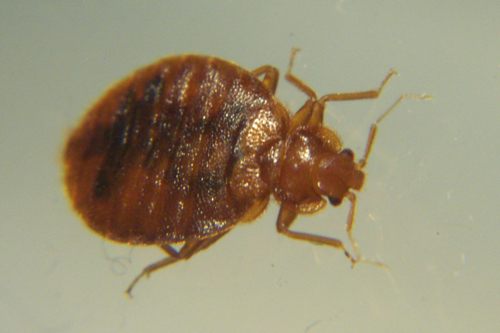
Hot water washing and high-temperature drying will also be sufficient to kill the bugs. The temperature in the cleaning process must reach a minimum of 120°F (49º C) for 20 minutes. Heat from steam finishing will also kill the bugs. Toys, backpacks, or other small items can be placed in the home dryer on medium to high temperature.
Cold can kill bed bugs, as well. If the outside temperature is below 25ºF (-3º C) you can place clothing, mattresses and furniture outside for several hours to kill bed bugs. Fragile or delicate items can be placed in a freezer.
You can find more information on bed bugs at the Center for Disease Control and Prevention (CDC Website).


Wednesday, 10 February 2016

Top 5 Risks for Cleaning and Janitorial Businesses

Between handling cleaning chemicals, moving heavy equipment, operating power tools, and cleaning public spaces, there are a lot of things that could go awry for the typical cleaning business. To help you protect your cleaning company from financially devastating lawsuits and losses, let's look at what you can do to limit your exposure to the following risks:
  1. Damage to customer property. If an employee uses the wrong cleaning solution on a client's expensive hardwood floors, your business could be sued for the cost of replacing the damaged property.
  2. Third-party bodily injuries. Say you clean office buildings, and a client's employee slips and falls on the just-mopped floor. Your client can hold your business accountable for the employee's medical expenses.
  3. Damage to your equipment. You rely on your cleaning gear to run your business. If something happens to your equipment, you're out of work until you can afford to replace it.
  4. Chemical exposure. If you don't properly store chemicals, your business could be on the hook for pollution damages.
  5. Employee occupational injuries. Your employees work in labor-intensive conditions. If they suffer bodily injuries because of their work, your business is liable for their medical expenses.
In this guide, we'll give you an overview of the policies designed to protect your business from these risks.

Tuesday, 9 February 2016

Homemade Natural Cleaning Solutions: Nontoxic recipes for effective cleaners.


Furniture Polish: Mix 1 teaspoon of lemon juice in 1 pint of mineral or vegetable oil. Apply a small amount to a clean cotton cloth and wipe wooden parts of furniture.
Rug Deodorizer: Deodorize dry carpets by sprinkling liberally with baking soda. Wait at least 15 minutes and vacuum. Repeat if necessary.
Mothballs: Use cedar chips or a sachet with any or all of the following: lavender flowers, rosemary, mint, white peppercorns.
Whitening Scouring Powder: Combine 1 cup baking soda, 2 teaspoons cream of tartar, 1/8 cup borax, 1/4 cup grated lemon, orange or grapefruit peel and mix well. Scrub using a damp sponge.
Glass Cleaner: Combine 1 1/2 cups vinegar, 1/2 cup water and 8 drops citrus essential oil in a spray bottle and shake well. Spray and wipe with a dry cloth or towel.


8 Household Cleaning Agents to Avoid


Detox your home by avoiding these chemical culprits
A surprising number of the most harmful toxins ever created are found right in our own backyard — indeed, right inside your mop closet. Here are ways you can detoxify your home, make it safe again, and keep it that way by avoiding a few key chemical cleaning products.
The air in our homes is filled with fumes from petrochemical solvents added to cleaners to dissolve dirt. The average household contains anywhere from three to 25 gallons of toxic materials, most of which are in cleaners. No law requires manufacturers of cleaning products to list ingredients on their labels or to test their products for safety. It’s up to you to make sure your home is not only clean, but also nontoxic.
Unfortunately, it isn’t easy to identify which products contain these hazardous ingredients. While cleaners are the only household products regulated by the U.S. Consumer Product Safety Commission under the Federal Hazardous Substances Labeling Act, their sellers aren’t required to reveal these products’ ingredients. These ingredients are considered “trade secrets,” so government regulations are actually designed to protect this proprietary information, not to protect human health or the environment.
When it comes to cleaners, the consumer has little to go on beyond the warning labels that manufacturers are required to put on their products. The labels DANGER, WARNING and POISON give only a very general idea about the seriousness of the unknown substances a product contains. In fact, a New York Poison Control Center study found that 85 percent of product warning labels are inadequate.
These warnings apply only to a product’s immediate health effects; they don’t illuminate what happens when we use them over a long period of time. If you’re using common household cleaning products, you’re likely to encounter the following chemicals (among many others), and the following effects, while cleaning:
·         Chlorinated phenols found in toilet bowl cleaners are toxic to respiratory and circulatory systems.
·         Diethylene glycol found in window cleaners depresses the nervous system.
·         Phenols found in disinfectants are toxic to respiratory and circulatory systems.
·         Nonylphenol ethoxylate, a common surfactant (detergent) found in laundry detergents and all-purpose cleaners, is banned in Europe; it has been shown to biodegradeslowly into even more toxic compounds.
·         Formaldehyde found in spray and wick deodorizers is a respiratory irritant and suspected carcinogen.
·         Petroleum solvents in floor cleaners damage mucous membranes.
·         Perchloroethylene, a spot remover, causes liver and kidney damage.
·         Butyl cellosolve, common in all-purpose, window and other types of cleaners, damages bone marrow, the nervous system, kidneys and the liver. The list could fill a book. And it’s a book that would include thousands of other chemicals — some so dangerous that they’re found on lists of chemicals associated with Superfund toxic waste sites and in the toxins section of the U.S. Clean Air and Water Acts.
To detoxify your mop closet, first rid it of cleaners that are toxic or that you suspect may be toxic.You can be sure of this if the label says WARNING, DANGER or POISON.
If you’re like most people, you’ve probably got more than a few rusty, crusty, almost-empty bottles of cleaning products, along with some dried-out sponges and a furniture-polish-soaked T-shirt hanging around in your mop closet. With a little organization and attention to labels, you can transform it into a complete and efficient collection of green cleaners and other products that will not only help keep your house spic-and-span, but also help reduce dangerous indoor air pollutioncreated by most conventional household cleaners.
Some cleaners may advertise that they are “environmentally sound” but fail to provide a full list of ingredients. 

The manufacturer that gives you the most information about its product is usually the manufacturer you can trust.
Start by pulling everything out and making three piles: one for the things you use every week (laundry detergent, toilet paper, trash bags, paper towels), the second for things you use every once in a while (window cleaner, hardwood floor cleaner, stain and odor removers), and the third for things you can’t remember using and things that look caked on, rusted over or petrified beyond recognition.
Take a close look at the labels on the products in piles 1 and 2. Anything that you know to be toxic,move to pile 3. The items in pile 1 go back into the closet. Store products you only use now and then (pile 2) on an out-of-the-way shelf in the closet. And items in pile 3 get banished from the house forever — but do not dispose of them down the drain or in the garbage; your local department of public works can tell you how to safely dispose of these hazardous household wastes. After this exercise, you might find that you need to do some restocking to meet your cleaning needs with safe and natural products.
When you buy new cleaning products, look for those that list their ingredients on the label, and make sure those ingredients include no petroleum-based surfactants, chlorine or phosphates. Also look for the words “nontoxic” and “biodegradable.” A host of products now available in naturalfood stores and in many supermarkets are designed to clean as effectively as their petrochemical counterparts, but won’t pollute your home or the earth in the process.
If you use sponges to clean any part of your home, make sure they’re pure cellulose sponges that are not treated with a synthetic disinfectant. Most sponges sold in U.S. supermarkets these days are impregnated with triclosan or other synthetic disinfectants. Packaging that claims “kills odors” or “resists odors” makes these sponges easy to distinguish. In reality, a disinfectant-laden sponge is ineffective at sterilizing countertops or other surfaces; the disinfectant simply gives you a “germ-free” sponge. This, in and of itself, is not a bad thing.

Sponges by nature are perfect breeding grounds for germs, since they are a moist, warm habitat and come into close and frequent contact with bacteria when wiping up spills, meat juices, etc. However, the disinfectants used in these sponges may help contribute to the evolution of drugresistant “super” germs. It’s easy to keep a pure cellulose sponge germfree by boiling it in a pot of water for three to five minutes, tossing it in the top rack of the dishwasher, or microwaving it on high for one minute. Pure cellulose sponges can be found in natural-food stores and hardware stores.